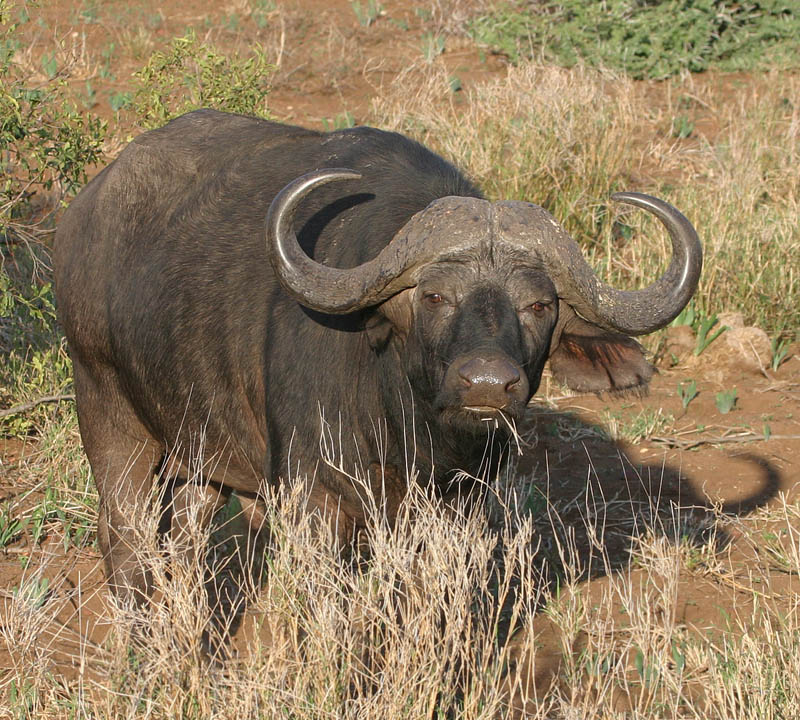
Animals: American Bison and Water Buffalo
Diet (American Bison): Grass and shrubs
Diet (Water Buffalo): Grass, shrubs, and aquatic plants
Range (American Bison): Mostly in U.S. national parks
Range (Water Buffalo): Wild water buffalo live only in wild life reserves in Asia.
Other differences: Water buffalo spend most of their time mostly submerged.
Sunday, August 28, 2016
Monday, August 22, 2016
Narwals
Animal: Narwals
Overshadowed by: Fictional Narwals
Classification: Mammal
Endangered Status: Near threatened
Diet: Fish, squid, and shrimp
Size: 13-16 feet long and weigh up to 1.8 tons
Habitat: Narwals are often found in the arctic waters of the North Atlantic near Russia and Greenland.
Scientific name: Monodon monoeros
Predators: Polar bears, and Orcas
Fun Facts: Can live up to 50 years, can dive up to 5,000 feet, and their tusk is actually a large tooth.
Overshadowed by: Fictional Narwals
Classification: Mammal
Endangered Status: Near threatened
Diet: Fish, squid, and shrimp
Size: 13-16 feet long and weigh up to 1.8 tons
Habitat: Narwals are often found in the arctic waters of the North Atlantic near Russia and Greenland.
Scientific name: Monodon monoeros
Predators: Polar bears, and Orcas
Fun Facts: Can live up to 50 years, can dive up to 5,000 feet, and their tusk is actually a large tooth.
Sunday, August 21, 2016
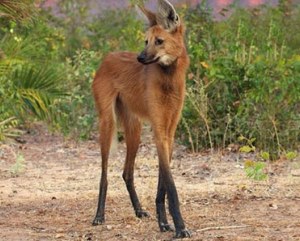
Maned Wolfs
Animal: Maned Wolf
Overshadowed by: Gray wolfs
Scientific name: Chrysocyon brachyurous
Classification: Mammal
Size: 51 lbs and 35 in tall
Endangered status: Near threatened
Diet: Small rodents, insects, reptiles, and birds
Habitat: Mainly in the large area of open woodlands and savannah.
Predators: Wild Dogs
Fun Facts: Unlike other wolves, the maned wolf is a solitary animal, the largest canid in South America.
Overshadowed by: Gray wolfs
Scientific name: Chrysocyon brachyurous
Classification: Mammal
Size: 51 lbs and 35 in tall
Endangered status: Near threatened
Diet: Small rodents, insects, reptiles, and birds
Habitat: Mainly in the large area of open woodlands and savannah.
Predators: Wild Dogs
Fun Facts: Unlike other wolves, the maned wolf is a solitary animal, the largest canid in South America.
Saturday, August 20, 2016
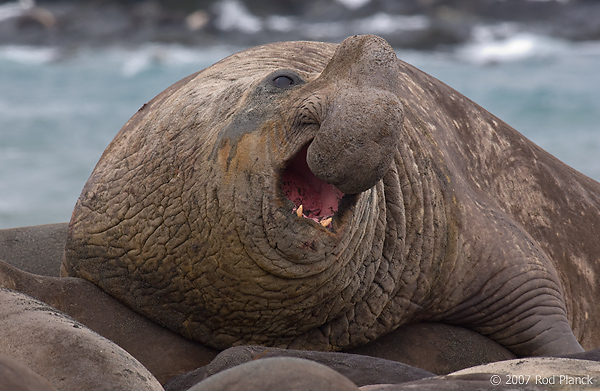
Southern Elephant Seals
Animal: Southern Elephant Seals
Overshadowed by: Harbor/Spotted Seals and Sea lions
Classification: Mammal
Size: Up to 20 feet long and 8,800 pounds
Endangered Status: Right in the middle
Diet: Fish and squid
Habitat: Islands near the Arctic Circle and South Georgia Island in the South Atlantic Ocean
Scientific name: Mirounga leonina
Predators: Killer whales and larger sharks such as Great Whites and Greenland Sharks.
Fun Facts: Can dive up to 4,921 feet and hold their breath for up to 2 hours, and is the largest of all seals.
Overshadowed by: Harbor/Spotted Seals and Sea lions
Classification: Mammal
Size: Up to 20 feet long and 8,800 pounds
Endangered Status: Right in the middle
Diet: Fish and squid
Habitat: Islands near the Arctic Circle and South Georgia Island in the South Atlantic Ocean
Scientific name: Mirounga leonina
Predators: Killer whales and larger sharks such as Great Whites and Greenland Sharks.
Fun Facts: Can dive up to 4,921 feet and hold their breath for up to 2 hours, and is the largest of all seals.
Wednesday, August 17, 2016
Wild Boars vs. Warthogs
Animals: Warthogs and Wild Boars
Diet (Wild Boars): Any vegetation they can find
Diet (Warthogs): Mainly grass, fruit, berries, roots, and insects but also occasional small mammals and reptiles
Range (Wild Boars): They are very common and can be found almost anywhere.
Range (Warthogs): Mainly found on the African savanna.
Other Differences: Boars are nocturnal, boars have thick coats. Warthogs are smaller and lighter, and Warthogs have larger tusks.
Diet (Wild Boars): Any vegetation they can find
Diet (Warthogs): Mainly grass, fruit, berries, roots, and insects but also occasional small mammals and reptiles
Range (Wild Boars): They are very common and can be found almost anywhere.
Range (Warthogs): Mainly found on the African savanna.
Other Differences: Boars are nocturnal, boars have thick coats. Warthogs are smaller and lighter, and Warthogs have larger tusks.
Greenland Sharks
Animal: Greenland Sharks
Overshadowed by: Great White Shark
Classification: Fish
Size: 7 meters long
Endangered status: Believed to be Healthy
A.K.A: Sleeper Sharks
Scientific name: Somniosus microcephalus
Diet: Anything they can sink their teeth into.
Habitat: Arctic Waters
Predators: Parasites that feed off their eyes.
Fun Facts: Can live up to 400 years due to slow movement and slow metabolism, their meat is poisonous, move at under 1 mile per hour, and can dive up to 7218 feet below sea level.
Overshadowed by: Great White Shark
Classification: Fish
Size: 7 meters long
Endangered status: Believed to be Healthy
A.K.A: Sleeper Sharks
Scientific name: Somniosus microcephalus
Diet: Anything they can sink their teeth into.
Habitat: Arctic Waters
Predators: Parasites that feed off their eyes.
Fun Facts: Can live up to 400 years due to slow movement and slow metabolism, their meat is poisonous, move at under 1 mile per hour, and can dive up to 7218 feet below sea level.
Monday, April 25, 2016
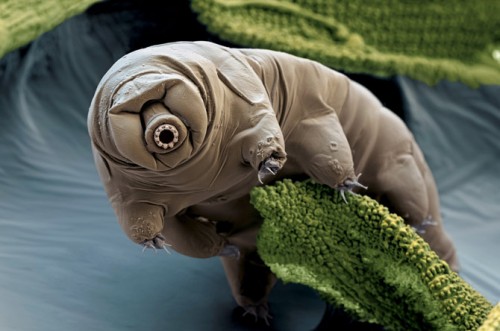
Tardigrades
Animal: Tardigrades
Overshadowed by: Germs
Size: 1 mm
Endangered status: Not in your dreams
Scientific name: Tardigradea
Diet: Other microscopic creatures
Habitat: Anywhere
A.K.A.: Water bears
Fun facts: Can survive in space, can survive in sub zero temperatures and well above water's boiling point, can survive tons of radiation and pressure and can live more than 10 years without food and water, can live up to 100 years.
Subscribe to:
Posts (Atom)